
How to Choose Dark Tea for Grandpa Style Brewing
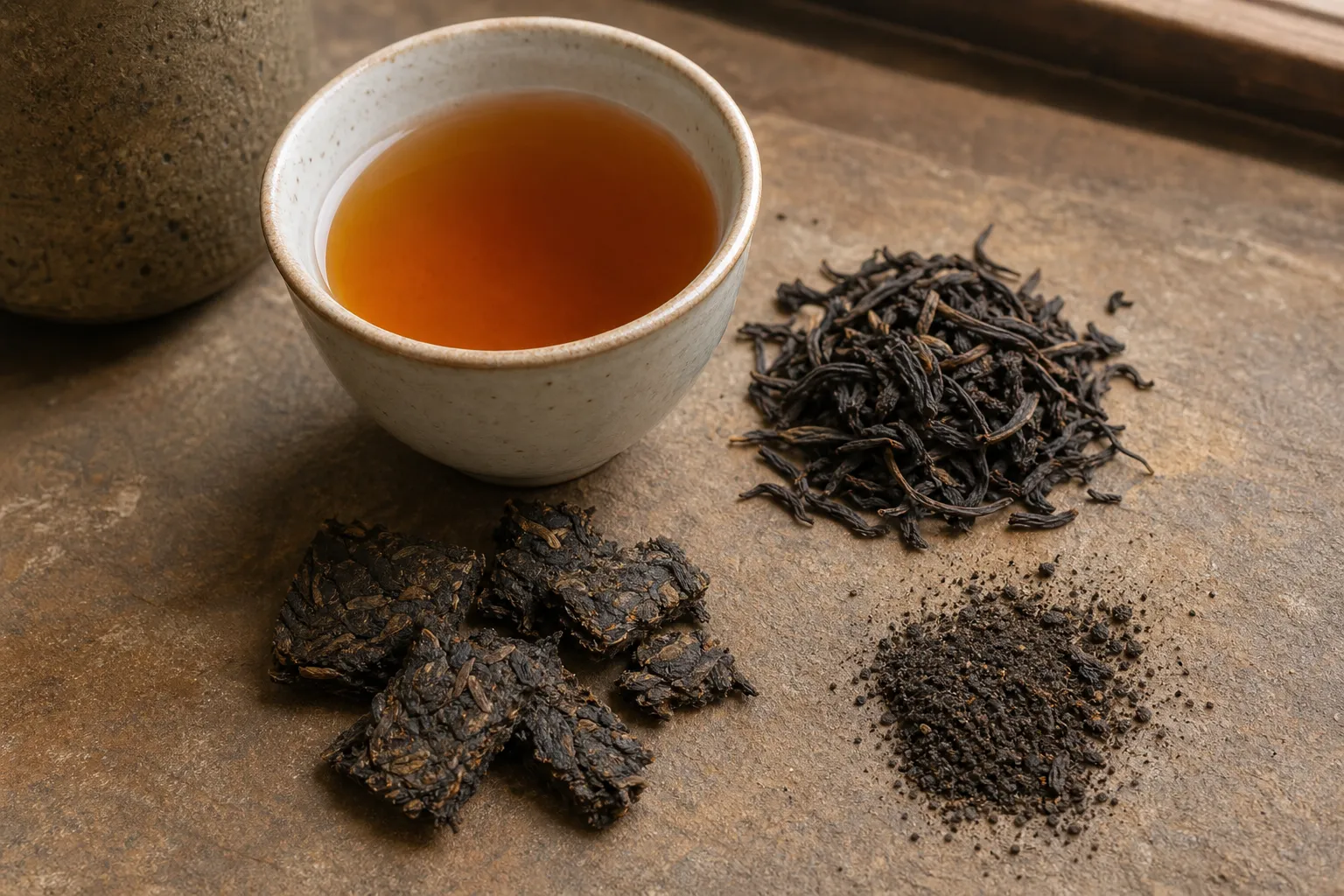
Choose dark tea for grandpa style brewing by looking for leaves or small compressed pieces that stay pleasant while sitting in hot water: clean aroma, low dust, manageable size, moderate strength, and a smooth body that does not turn harsh or muddy in the mug. Start with less leaf than you would use for a controlled short-steep method, then refill before the cup is empty so the remaining liquor softens the next pour.
Ripe puerh, or shou puerh, is often a useful example because many versions are mellow, earthy, woody, date-like, or thick-bodied. But the label alone is not enough. A dusty, sour, overly damp-smelling, or heavy shou puerh can be awkward in a mug, while a clean small piece of another dark tea may work very well.
upward
Read the full overview first
Use the broader guide first if you need the full scope before this page.
What grandpa style changes about your tea choice
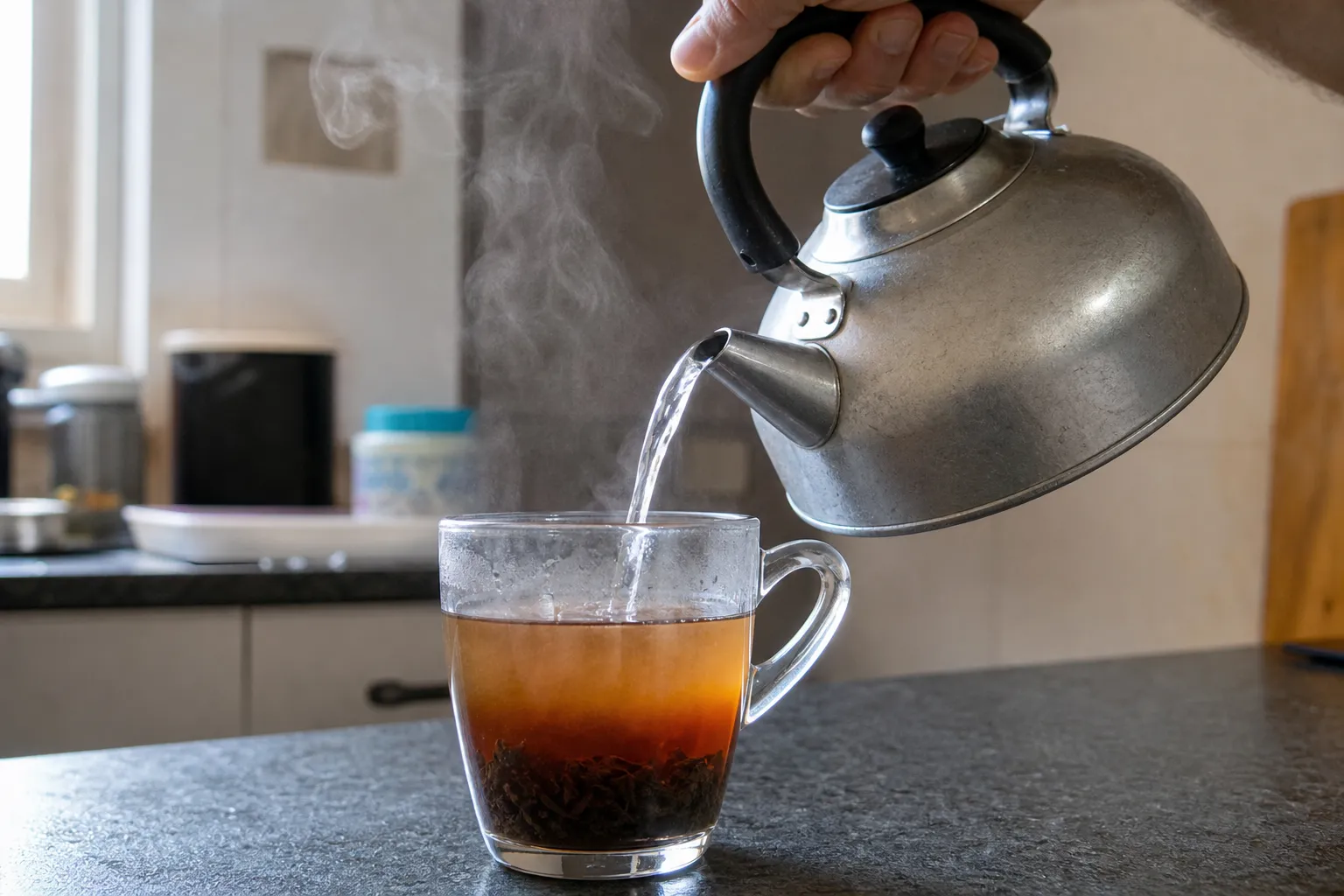
Grandpa style brewing is simple: the leaves sit directly in the mug, cup, bowl, or jar while you drink around them and add more hot water. In English tea-community use, the term is usually tied to casual leaf-in-cup brewing with repeated refills, not a formal ceremony and not a series of fully poured-off infusions.
That changes the job of the tea. In a gaiwan or small pot, you can stop extraction by pouring the liquor away. In a mug, the tea keeps steeping while the cup cools, while you work, or while you forget it for a few minutes. The right tea is not always the most complex tea on your shelf. It is the one that remains drinkable when timing is loose.
For grandpa style dark tea, look first for:
-
Clean storage aroma
Dry wood, earth, grain, old book, date, mineral, or a gentle cellar-like note can be fine. Avoid tea that smells damp, rotten, sharply sour, or unpleasant.
-
Low dust
Tiny fragments cloud the liquor quickly and are easy to sip by accident.
-
Smooth bitterness
A little bitterness can give structure, but aggressive bitterness becomes more obvious during long contact.
-
Body without sludge
Dark tea can be thick and mellow without feeling like sediment.
-
Easy portioning
Loose leaves, small chunks, or lightly broken compressed pieces work better than a dense block that sheds powder when forced apart.
-
Good refill behavior
The second and third pours should still feel coherent, not flat, sour, or sharply woody.
Research on dark tea and ripe Pu-erh supports the broader point that fermentation, storage, and extraction conditions shape aroma, taste, body, and astringency. It does not give a precise rule for choosing dark tea in a mug. For this page, the useful test is simpler: what happens when the tea sits in hot water longer than a timed steep?
Choose the form before trusting the label
For mug brewing, the physical form often matters more than the name on the wrapper. Form affects dust, settling, strength, and convenience.
Loose dark tea
Works well when it is easy to dose lightly and larger leaves can settle well.
Watch for broken bits that can float and make the cup muddy.
Small compressed pieces
Work well when they are convenient for office or travel mugs.
Watch for dense pieces that may open slowly, then suddenly become strong.
Cake or brick fragments
Work well if you can break off a clean, intact piece.
Watch for rough prying that can create powder and sharp extraction.
Very dusty broken tea
Gives fast color and strength.
Watch for a cup that feels gritty, heavy, or awkward to sip.
If you are breaking a cake, brick, or tuo, avoid prying out a jagged pile of crumbs for your mug. Aim for a small, fairly intact piece: thin enough to open with hot water, but not crushed into fines.
A good compressed piece for a mug is often visually modest. It should not be too large, too powdery, or so tightly packed that you have to fight it apart. A piece that opens gradually gives you more control. If it takes too long to loosen, the first cup may taste thin and the second may suddenly become heavy. If it falls apart immediately, the liquor may turn dark, cloudy, and difficult to drink around.
Loose dark tea can be easier, especially when the leaves are larger and relatively intact. They have room to settle at the bottom of the mug, and you can adjust the next cup by using a slightly smaller or larger pinch. Still, loose tea is not automatically cleaner. If the bottom of the bag is mostly powder, save that tea for a filtered vessel.
Flavor signs of a forgiving mug tea
A forgiving dark tea for grandpa style brewing does not have to be bland. It needs a wide comfort range. Since the tea will sit through cooling, sipping, and refilling, choose flavors that can deepen without becoming rough.
Good candidates often show one or more of these traits:
- Rounded body: the liquor feels smooth rather than sharp at the sides of the tongue.
- Earthy or woody base: the flavor stays steady during long contact.
- Date-like or brown-sugar sweetness: sweetness can balance a stronger first mug.
- Mineral or grain notes: these often remain clean as the cup cools.
- Low astringency: the mouth does not dry out quickly after a few sips.
- Stable aroma after refill: the tea does not collapse into sourness or damp heaviness.
Ripe puerh in a mug is popular because some shou puerh has the mellow, thick profile that tolerates casual brewing. Sensory work on ripe Pu-erh also discusses fermentation-related changes linked with fuller taste and reduced astringency. That helps explain why some ripe puerh can suit continuous steeping. It does not mean every shou puerh will behave well in a mug.
Be more cautious with tea that smells very smoky, sharply sour, heavily damp, or intensely bitter from the start. Those traits may be manageable in short steeps, but grandpa style brewing tends to magnify whatever is already forceful.
Before making a tea your daily mug choice, try a small test: brew a light amount in a mug, drink halfway, refill, and wait again. If the second round stays smooth or becomes more comfortable, the tea is a good candidate. If the first cup is already harsh, or the refill turns flat and murky, use less leaf next time or keep that tea for a more controlled vessel.
Start with less leaf, then adjust by the first refill
Grandpa style is not just careless oversteeping. The control comes from using a low leaf amount and managing refills. Since the tea never fully leaves the water, more leaf is not automatically better.
For a normal mug, begin with a small pinch of loose dark tea or one small compressed piece. Exact weights are less useful here because mug size, compression, leaf grade, water temperature, and personal taste all vary. The first goal is not maximum color. It is drinkable strength after the tea has sat longer than planned.
Use the first mug as your guide:
- If it tastes thin: wait longer before the first sip, use slightly hotter water, or add a little more leaf next time.
- If it becomes harsh: reduce the leaf amount. Do not try to solve too much leaf only by drinking faster.
- If it turns muddy: choose a cleaner piece with less dust, or use a strainer cup.
- If it feels flat after the first refill: the piece may be too small, too spent, or not suited to repeated hot-water additions.
- If the first cup is too heavy but later refills are pleasant: start with less leaf and refill earlier.
- If leaves keep entering your mouth: choose larger pieces, let them settle, use a lid, or use a mug with a simple built-in strainer.
A useful habit is to drink down to about one-third or one-half of the mug, then add hot water. The remaining liquor blends with the new water, making the next round less abrupt. If you drink the mug almost dry, the leaves may sit exposed, and the next pour can taste thinner or uneven.
Most dark tea handles hot water well. If the tea is clean and smooth, hotter water can help compressed pieces open and bring out body. If the tea is already intense, slightly cooler water or less leaf may keep the mug easier to drink. In most everyday setups, adjust leaf amount first and water temperature second.
What to avoid for mug brewing
When choosing dark tea for mug brewing, do not judge only by name, age, or price. A tea can be interesting and still be irritating in continuous contact. The best everyday mug tea is often the one you can drink casually without watching every minute.
Be careful with:
Excessively dusty tea
Dust extracts fast, clouds the liquor, floats into the sip, and can make a smooth dark tea feel heavy. If a wrapper or bag has many fines, use a filtered vessel instead.
Very dense chunks
A hard compressed piece may seem convenient, but it can open unevenly. The cup may begin weak, then become suddenly dark and strong after you stop paying attention.
Rough bitterness
Some bitterness is normal in tea, but a harsh edge is difficult to hide in grandpa style mug brewing. Long contact gives bitterness more time to dominate.
Unpleasant storage aroma
Dark tea can have aged, earthy, woody, cellar-like, or old-paper notes. Those are not the same as tea that smells damp, rotten, sharply sour, or visibly questionable. If the aroma makes you hesitate before brewing, do not make it your leaf-in-cup tea.
Tea that only works under exact timing
If a tea tastes good only with short steeps and careful pouring, it may not be the right choice for easy dark tea brewing in a mug. Save it for a method that gives you tighter control.
Large leaf amount by habit
If you normally brew with a small pot or gaiwan, your hand may reach for too much tea. For continuous steeping, start lower. You can always make the next mug stronger.
A quick selection path for one mug
If you are holding a piece of dark tea and deciding whether it belongs in your mug, use this sequence.
-
1. Smell the dry tea.
Choose it if the aroma is clean and inviting. Skip it for mug brewing if it smells damp, unpleasantly sour, rotten, or stale beyond comfort.
-
2. Look at the break.
Prefer an intact small piece or larger loose leaves. Avoid using mostly crumbs and powder.
-
3. Use a modest amount.
Start with less leaf than you would use for a timed steep. Long contact will keep extracting.
-
4. Add hot water and wait for color.
Do not judge only by the first few seconds, especially with compressed dark tea pieces.
-
5. Refill before the mug is empty.
Leave some liquor in the cup so the next pour blends more smoothly.
-
6. Decide by comfort, not intensity.
Good grandpa style dark tea is easy to keep drinking. It does not need to be the darkest, strongest, or most dramatic cup.
There is no public standard that ranks dark tea for grandpa style brewing, and the available sources do not test this exact mug question under controlled everyday conditions. The most reliable choice is practical: a tea that smells clean, portions easily, settles reasonably, and stays smooth through repeated refills in your own cup.
Sources
Sources and further reading
Reference links are limited to sources considered suitable for public citation in this page.